

Visual Inspection
The goal of Visual Inspection is to identify and remove contaminated or defective parenteral products that may compromise the safety of the patient. There are Regulatory and Compendial requirements that aim to ensure solutions for injection are “essentially free” from visible particulates, and the integrity of the product container is not compromised. This is achieved by 100% inspection of product batches, followed by AQL (Acceptable Quality Level) sampling with corresponding limits for Critical, Major and Minor defects.
There are three (3) types of Visual Inspection Methods:
Manual
Visual Inspection (MVI):
Performed by trained human inspectors using their naked eye and under controlled conditions to view filled and sealed product. A black and white background is used to provide a contrast for particle detection, and a light source provides suitable illumination to examine each product container. The inspector makes the quality decision to accept or reject the product.
Semi-Automated
Visual Inspection (SAVI):
Removes the need for manual container handling by using conveyors or a rotational mechanism to provide a 360° view of the product container. A vortex can also be created to ensure particles are set in motion for ease of detection. Decision to accept or reject the product is made by the human inspector.
Automated
Visual Inspection (AVI):
Fully-automated container handling combined with electronic sensors or machine vision is used to detect and reject bad product. Successful validation of an Automated Inspection System requires a manual baseline to demonstrate that performance is “equal to or better” than the compendial method.
- Visual Inspection Roadmap
- Feasibility Studies for Semi-Automated and Automated Visual Inspection Systems
- Compliance Assessment
- User Requirement Specifications for Challenge Sets and Equipment
- Training for Inspectors
- Design, planning and execution
- Standard Operating Procedures (SOPs)
- Equipment Qualification
- Inspector Qualification
- Continuous Improvement
- Project Management
- Using AI for Visual Inspection

Key Projects

Equipment & Facility Engineering
Roadmap
- Prepared a strategic visual inspection roadmap for a large volume parenteral (LVP) manufacturer of difficult to inspect products (DIPs): including feasibility of automated inspection and development of bracketing approach based on product and component characteristics.

Equipment & Facility Engineering
Concept Design
- Capacity and Spatial Analysis, GMP Concept Design for a Visual Inspection suite with four (4) Semi-Automated Inspection Systems, including line layouts and equipment and room costing.
Process Flow
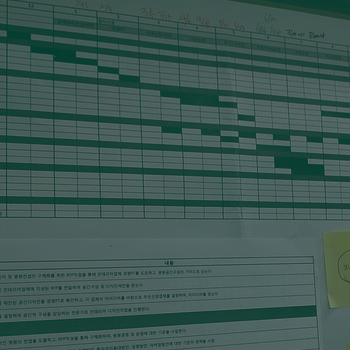
- Process flow mapping of an off-line inspection process, including storage of WIP, staging of product to be inspected, and calculation of inspection cycle time for each product group.
SOPs
- Preparation of general procedures for Manual Visual Inspection, equipment operating and maintenance, and training and qualification of inspectors.

Compliance & Validation
Training
- Conducted training course for new inspectors based on the compendial method, including classroom-style theoretical training, hands-on defect identification using black and white backgrounds, and inspection of challenge kits with progressive difficulty.

Compliance & Validation
Program Development
- Preparation of Visual Inspection Program requirements and workflows for a Radiopharmaceutical manufacturer, including sequencing of activities around challenge set design and build, inspector training and certification, and equipment specification and qualification.
Visual Inspection
The goal of Visual Inspection is to identify and remove contaminated or defective parenteral products that may compromise the safety of the patient. There are Regulatory and Compendial requirements that aim to ensure solutions for injection are “essentially free” from visible particulates, and the integrity of the product container is not compromised. This is achieved by 100% inspection of product batches, followed by AQL (Acceptable Quality Level) sampling with corresponding limits for Critical, Major and Minor defects.
There are three (3) types of Visual Inspection Methods:
1. Manual Visual Inspection (MVI): Performed by trained human inspectors using their naked eye and under controlled conditions to view filled and sealed product. A black and white background is used to provide a contrast for particle detection, and a light source provides suitable illumination to examine each product container. The inspector makes the quality decision to accept or reject the product.
2. Semi-Automated Visual Inspection (SAVI): Removes the need for manual container handling by using conveyors or a rotational mechanism to provide a 360° view of the product container. A vortex can also be created to ensure particles are set in motion for ease of detection. Decision to accept or reject the product is made by the human inspector.
3. Automated Visual Inspection (AVI): Fully-automated container handling combined with electronic sensors or machine vision is used to detect and reject bad product. Successful validation of an Automated Inspection System requires a manual baseline to demonstrate that performance is “equal to or better” than the compendial method.
SAGE understands how to design and implement a Visual Inspection Program to meet the Regulatory and Compendial requirements, based on your product portfolio. We offer consulting and engineering services to help you build a Visual Inspection Program that is both compliant and cost-effective, including:
- Visual Inspection Roadmap
- Feasibility Studies for Semi-Automated and Automated Visual Inspection Systems
- Compliance Assessment
- User Requirement Specifications for Challenge Sets and Equipment
- Training for Inspectors
- Knapp Study Coordination and Planning
- Standard Operating Procedures (SOPs)
- Equipment Qualification
- Inspector Qualification
- Continuous Improvement
- Project Management